

A long standing assertion the Trump administration “tear gassed” protestors for a photo-op at a church in Washington D.C. in 2020 is proven false by a DOI report.
In the early weeks of June 2020, as protests spread across the United States in response to the May 25 death of George Floyd in Minneapolis police custody, Lafayette Park in Washington, D.C. became one of the national focal points of demonstrations calling for racial justice and police reform. On June 1, 2020, law enforcement cleared protesters from Lafayette Park outside the White House shortly before then-President Donald Trump walked through the park and paused near St. John’s Episcopal Church, a historic house of worship that had been damaged by fire the previous evening. A narrative rapidly emerged in national media and political discourse that the Trump administration had violently dispersed peaceful demonstrators to create the conditions for a politically staged photo opportunity at the church.

Yet a comprehensive review by the U.S. Department of the Interior’s Office of Inspector General (OIG), released in June 2021, found no evidence that the U.S. Park Police (USPP) cleared the park to facilitate such a photo-op, nor that the operational decision was made for political purposes. Rather, the report concluded that the clearing of the park was part of a pre-existing plan to allow contractors to install fencing and expand law enforcement security perimeters in response to days of unrest and property damage.
2020 Nationwide Protests and Civil Unrest During
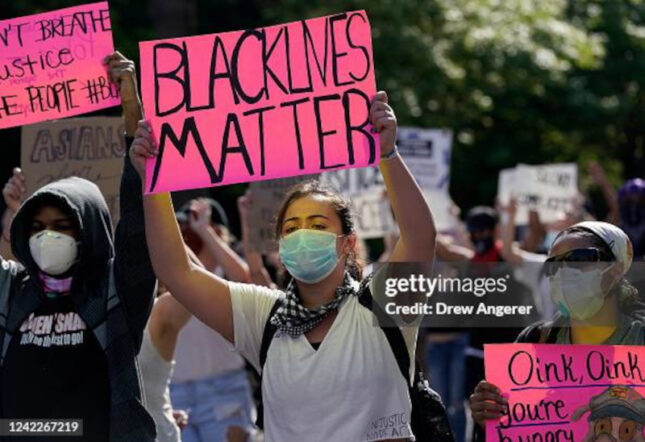
The demonstrations in Lafayette Park during late May and early June 2020 were directly connected to nationwide protests following the death of George Floyd, an African American man who died while in the custody of Minneapolis police on May 25, 2020. His death, captured on video and widely shared, sparked sustained protests against police brutality and further fueled the Black Lives Matter movement.
One prominent site of unrest was St. John’s Episcopal Church, known colloquially as the “Church of the Presidents” due to its proximity to the White House and its historic connections to U.S. presidents. On the evening of May 31, 2020, during one of the nights of protest activity, the church’s basement was set on fire. While the fire was limited in scope and caused only minor damage to the building, it underscored the heightened tensions around the protests and contributed to elevated law enforcement concern about escalating violence near key federal properties.
Clearing Lafayette Park and DOI Report
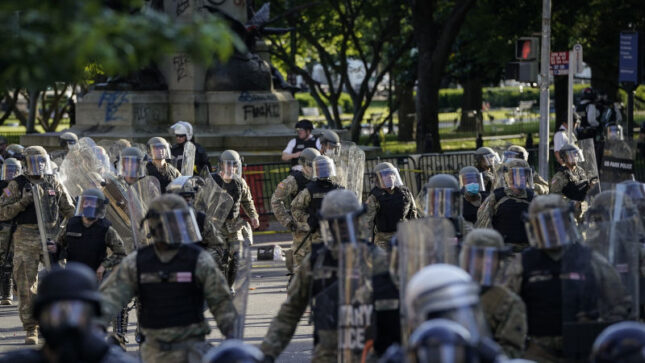
On June 1, 2020, federal law enforcement officers, including U.S. Park Police, U.S. Secret Service personnel, and other assisting agencies, executed an operation that cleared Lafayette Park and adjacent sidewalks of protesters in the early evening. The operational plan, as described in the DOI OIG report, was developed earlier that same day, before there was any known plan for President Trump to walk from the White House to the church. The purpose of the plan was to expand and secure the perimeter of the park and allow a contractor to safely install anti-scale fencing in response to earlier violent acts and property damage that had occurred during the protests.
The DOI OIG found that:
- The U.S. Park Police and the Secret Service determined on the morning of June 1 that a more secure perimeter was needed around Lafayette Park because of previous violence and property damage.
- The park clearing plan, centered on the installation of anti-scale fencing, was developed before law enforcement knew of the President’s possible movement through the park later that evening.
- The operation began at approximately 6:23 p.m. and concluded about 6:50 p.m. The fencing installation began later at about 7:30 p.m., after President Trump had already walked through the park.
The DOI OIG report’s factual findings reject the notion that the clearing was ordered to facilitate a political photo opportunity; rather, the report clearly states that the evidence does not support a connection between the park’s clearing and the President’s walk to or appearance at St. John’s Church.
The Emergence of the Trump Photo-Op Narrative

Despite the DOI OIG’s definitive findings, a widely circulated narrative took hold in the national media and popular discourse that the administration had intentionally cleared protesters to enable Trump to stage a politically significant photo. Many initial news reports described the visible use of chemical irritants, pepper balls, and other forceful crowd-control measures, and then showed images of the President holding up a Bible in front of the church, an image that became emblematic for critics of the administration’s response to the protests. These descriptions often implied causality between the clearing and the presidential appearance.
For example, many reports incorrectly claimed the use of tear gas was used to disperse the crowds. This impression was amplified across broadcast, print, and social media platforms, contributing to a narrative that the administration had disregarded protestors’ First Amendment rights for the sake of political optics.
Media coverage at the time and in retrospectives sometimes conflated the timing of the events with intentional causation, even though the DOI OIG report later clarified that the decision to clear the park was made independently and earlier in the day.
Attorney General William Barr’s Statements
Attorney General William Barr, who served as the nation’s chief law enforcement official at the time of the Lafayette Park incident, addressed questions and criticisms regarding the federal government’s actions. Barr and other administration officials publicly defended the law enforcement decision to clear the park as part of a broader strategy to protect federal property and ensure security in the face of unrest that had included fires, injuries to officers, and acts of vandalism.
Barr denied that the clearing was conducted for a photo opportunity, aligning with the later DOI OIG findings. In media interviews following the incident, Barr emphasized the necessity of the operation in the context of maintaining order and protecting public spaces — statements that were consistent with the operational intent described in the DOI report.
These public comments from the Attorney General and other officials contributed to the institutional narrative that law enforcement actions were guided by security needs rather than political image-making.
The idea that the Trump administration deliberately cleared Lafayette Park on June 1, 2020, to create a photo opportunity at St. John’s Episcopal Church became a widely accepted narrative in public discourse. However, according to the Interior Department’s Inspector General Report that account does not align with the evidence from law enforcement decision-making on that day. Instead, the findings show an operational response rooted in security concerns following multiple days of unrest, injuries to officers, and property damage.